The Narrowing Gap: World Trade Center Rents Reach Midtown Levels
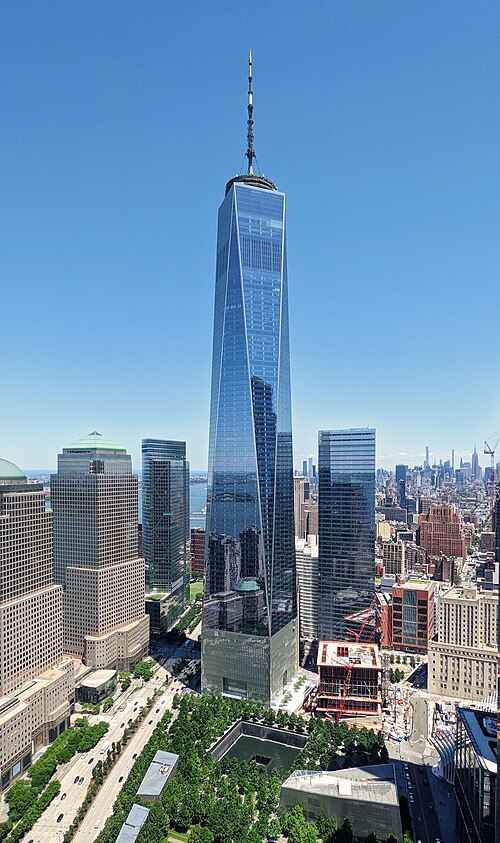
The historic pricing divide between Downtown’s premier buildings and Midtown’s premier buildings is officially closing. According to recent reports from the New York Post, the World Trade Center complex is experiencing a leasing surge that has pushed asking rents at 3, 4, and 7 WTC toward the $140 PSF mark for large blocks of space.
For the first time, these rates are matching those of premier trophy buildings on Park and Sixth Avenues. This represents a remarkable shift in the market, with rents at these properties climbing roughly 30% since the pandemic.
Occupancy and Industry Mix
While much of the broader Downtown market has hovered around an 80% occupancy rate, the World Trade Center complex has surged to above 95% occupancy. This significantly outperforms the Manhattan-wide average of 85%, proving that the demand for “new construction atop transit hubs” remains the primary driver of market activity.
The tenant mix across the towers has also evolved into a diverse ecosystem of high-credit firms:
- Legal & Financial: Law firm Freshfields Bruckhaus Deringer recently expanded at 3
WTC, joining others like WilmerHale and Ameriprise. - Tech & Energy: Tech leaders like Uber, Spotify, and Carta are now anchored alongside expanding firms like Energy Capital Partners at One WTC.
The $100 PSF Benchmark
The activity at the Silverstein-owned towers is a clear bellwether for the “flight to quality.” More than a dozen leases at the complex surpassed the $100 PSF threshold during the past year.
This momentum is expected to continue as high-profile vacancies arise. For instance, theupcoming 700,000-square-foot vacancy at 7 WTC (currently occupied by Moody’s) is anticipated to command similar record-breaking pricing.
Strategic Takeaways
The World Trade Center has successfully positioned itself as a Midtown peer, driven by brand-new trophy infrastructure and unparalleled transit access. For firms that have historically looked Downtown for rent relief, the window for those savings is rapidly disappearing in the trophy asset class.
As the market continues to tighten, particularly in these highly sought-after “Class Double A” developments, timing and market transparency are becoming the most critical factors in securing a competitive footprint.
